
zactracks At Hale
I went down a bit of a rabbit hole this week and found a couple old write-ups I hadn’t looked at in a few years, and I thought they would be worth sharing still. The first one is from the original zactracks install, and the second from ACT Entertainment centered around our production of Around the World in 80 Days.
For anyone not familiar, zacktracks is essentially a system that can track a person or object in real time anywhere on stage. Small transmitters hidden in costumes, wigs or set pieces send out a signal, the system calculates their exact position, and that data can drive anything, lights, projections, sound, even moving scenery. Instead of aiming everything manually, the show can follow performers automatically, staying perfectly aligned as they move, dance and even fly.
Back in 2022, we first brought zactracks into Hale to solve a very specific problem. Flying Mermaids.
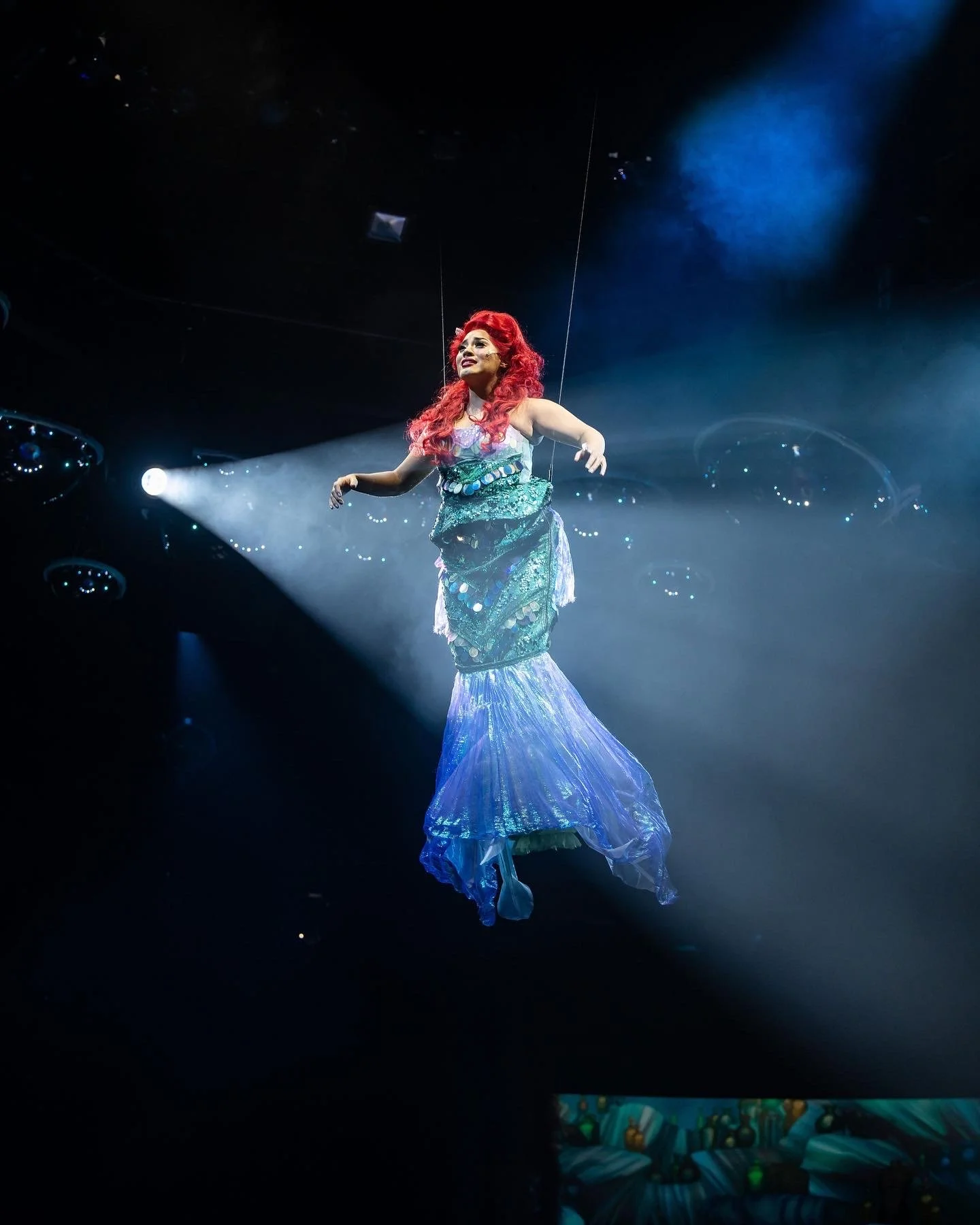
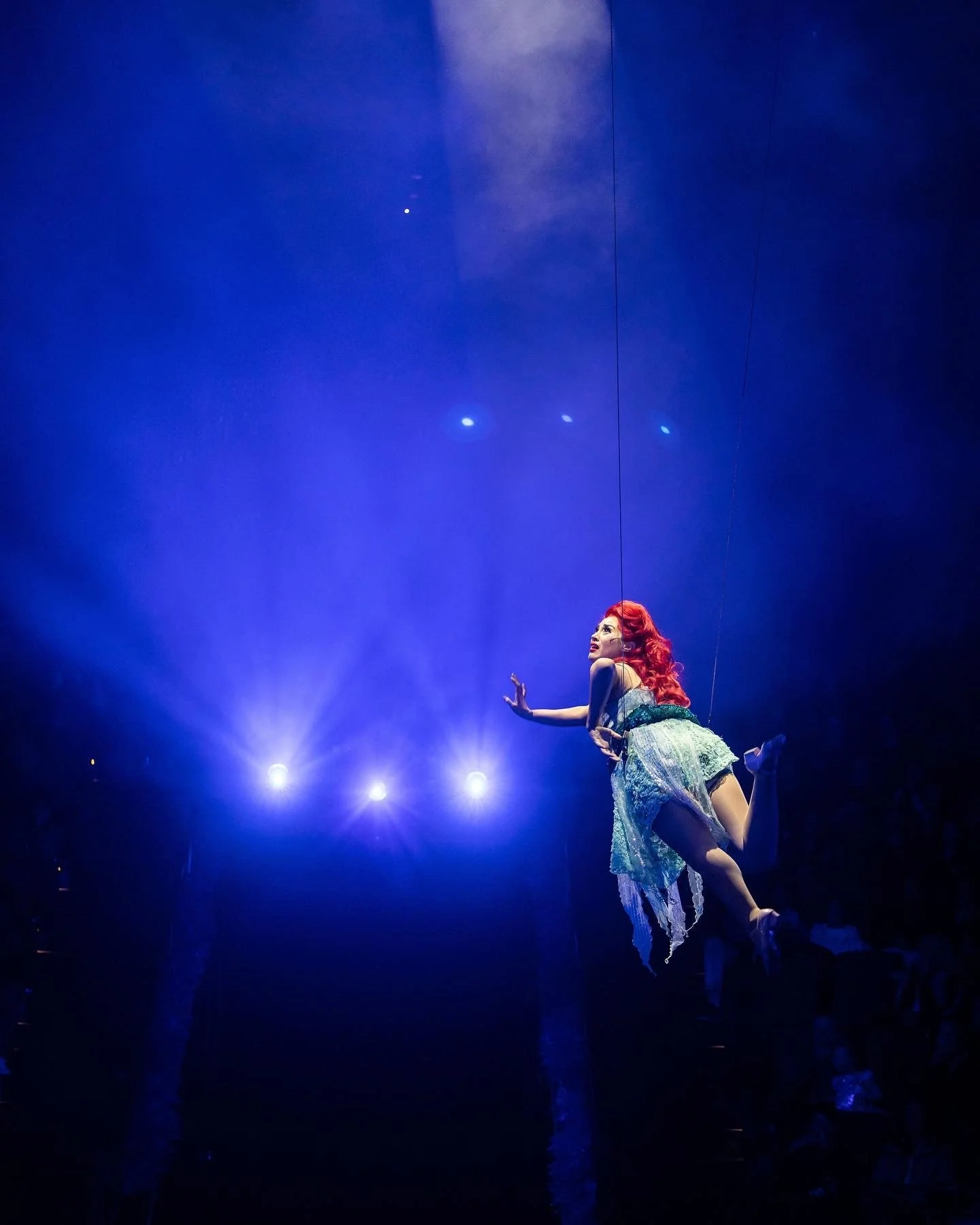
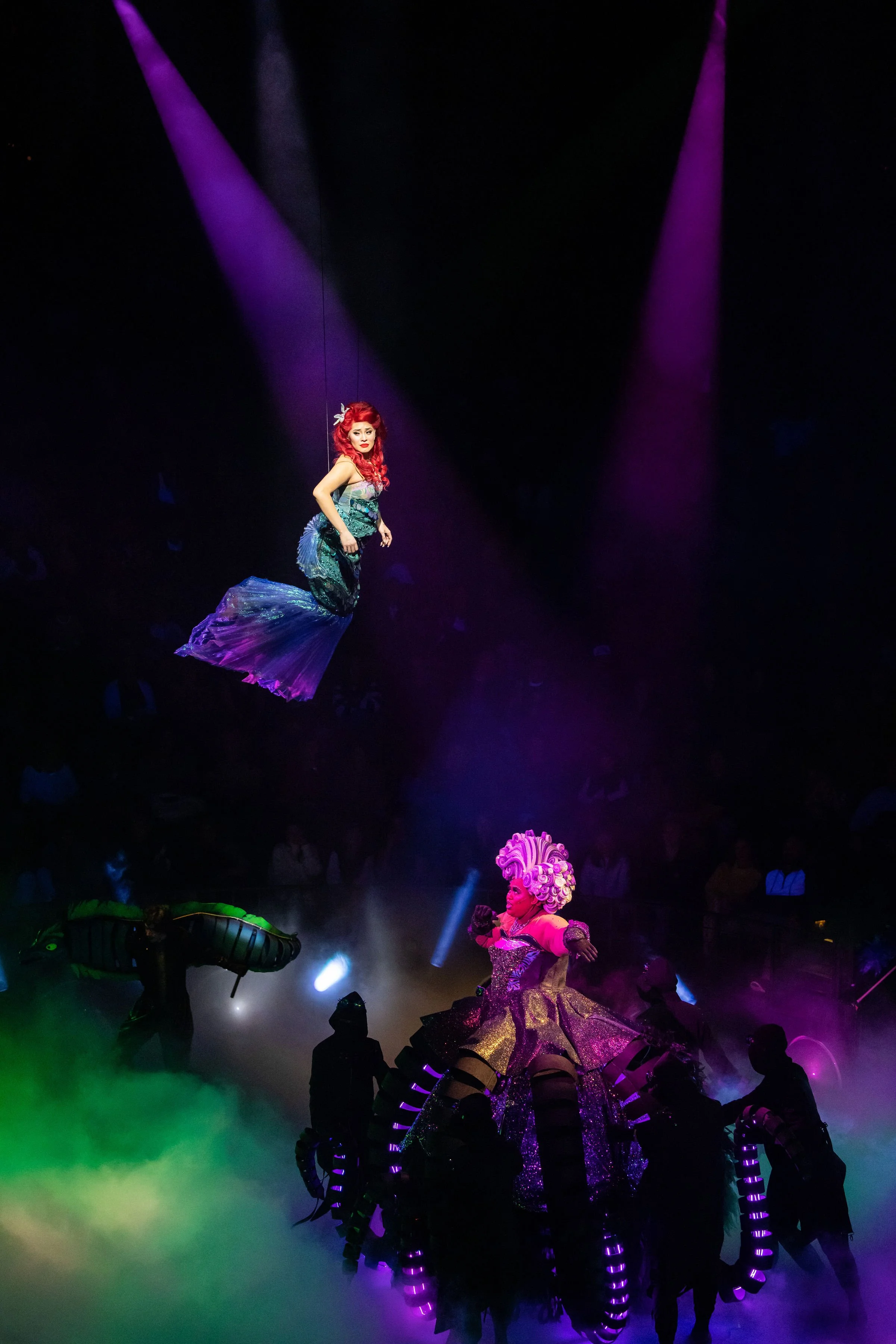
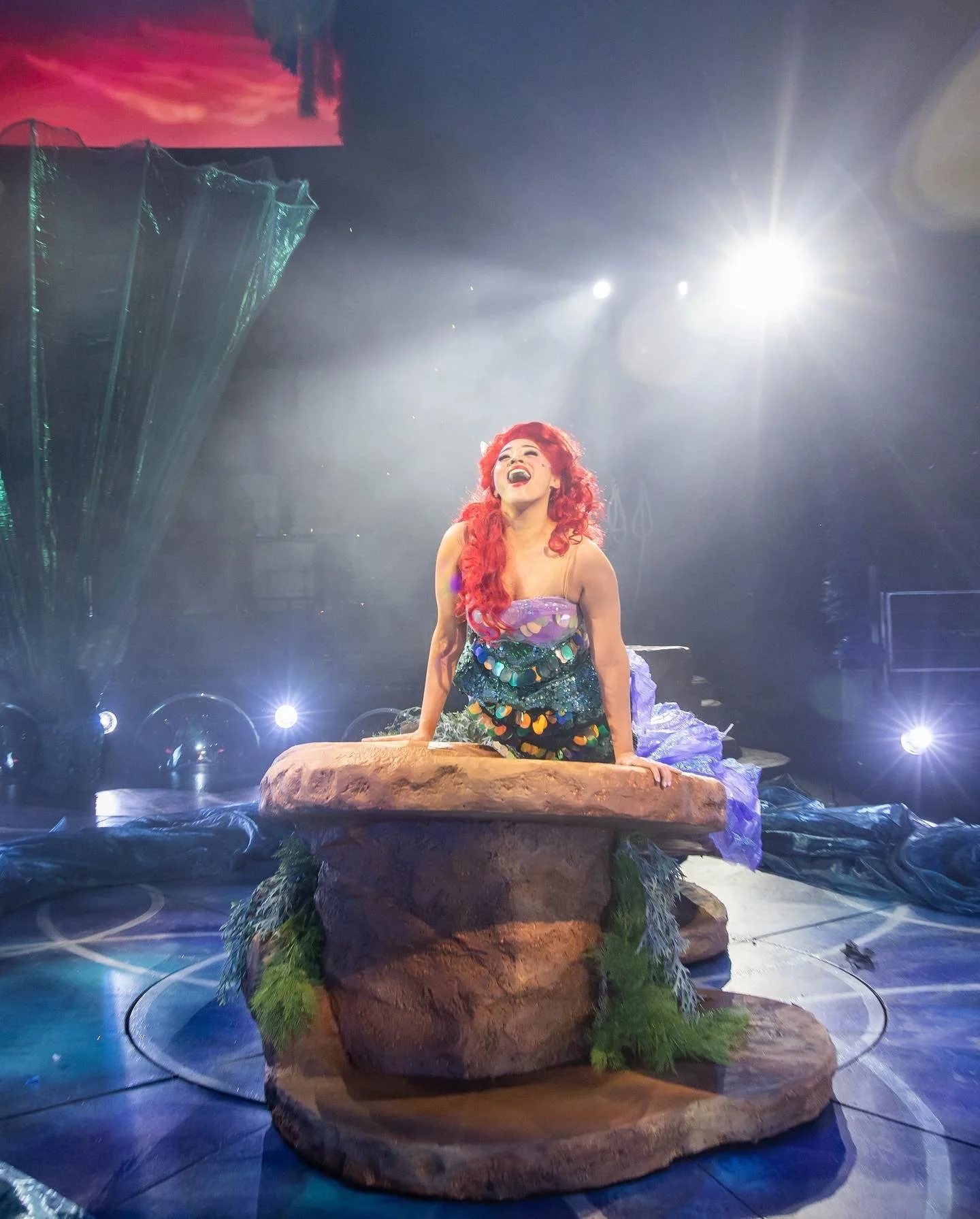
The Little Mermaid was going to be a heavily flight-driven show, and in a theater in the round our spot positions just couldn’t give us the coverage we needed for mermaids and sea witches. We were constantly chasing focus and isolation, working against sight-lines more than with them.
Collin and I recently came across photos from it and we both had the same thought, if we remounted it now, the process would be completely different. Just in the way we understand the system now, we see how robust it actually is, and all the different applications it can go into besides just ensuring that a performer has light on them. Knowing what we know we, we would have built upon what it was.
Working with zactracks for the first time, programing Little Mermaid’s “Part of your world”
At the time we were in the first theater in the state of Utah to put in a system like this. But being the first in anything like this can be challenging. We had very little to go off of, and the success of the system fell to us to figure out. But where many see a challenge, my team and I saw an opportunity. To us, it meant stepping into uncharted territory and creating something unique. We worked closely with the people at ACT lighting and zacktracks, replicating a similar system design to the Wynn Theatre in Vegas for their production of Awakening.
Looking at it now, that was only the beginning.
Now it’s part of how we build shows from the very beginning. Tracking stopped being just a lighting tool and became part of a much larger system. We’re feeding positional data directly from automation, tying performer and scenic tracking into the movement of the show itself.
For practically every Center Stage show that flies units or people, including Frozen, Finding Neverland, Footloose and The Prince of Egypt, that integration is baked in. The Chariot race in Prince of Egypt, for example, relied heavily on this system. The 10’, 360˚ rope projection surface hindered any spot light able to light our subjects, so using zactracks and assigning our moving lights that live above the subjects allowed us to light them in real time, following them up, down and all around the room. Olaf’s “In Summer” number brought in Olaf puppet, after Olaf puppet, on hangliders, and parasols, and they weren’t just timed, the lighting was responding as the system moved. Same idea with the Superman number in Footloose. Projection was tied into that same data, so when the stage shifted, the content stayed exactly where it was designed to live and traveled with all of our moving lifts.
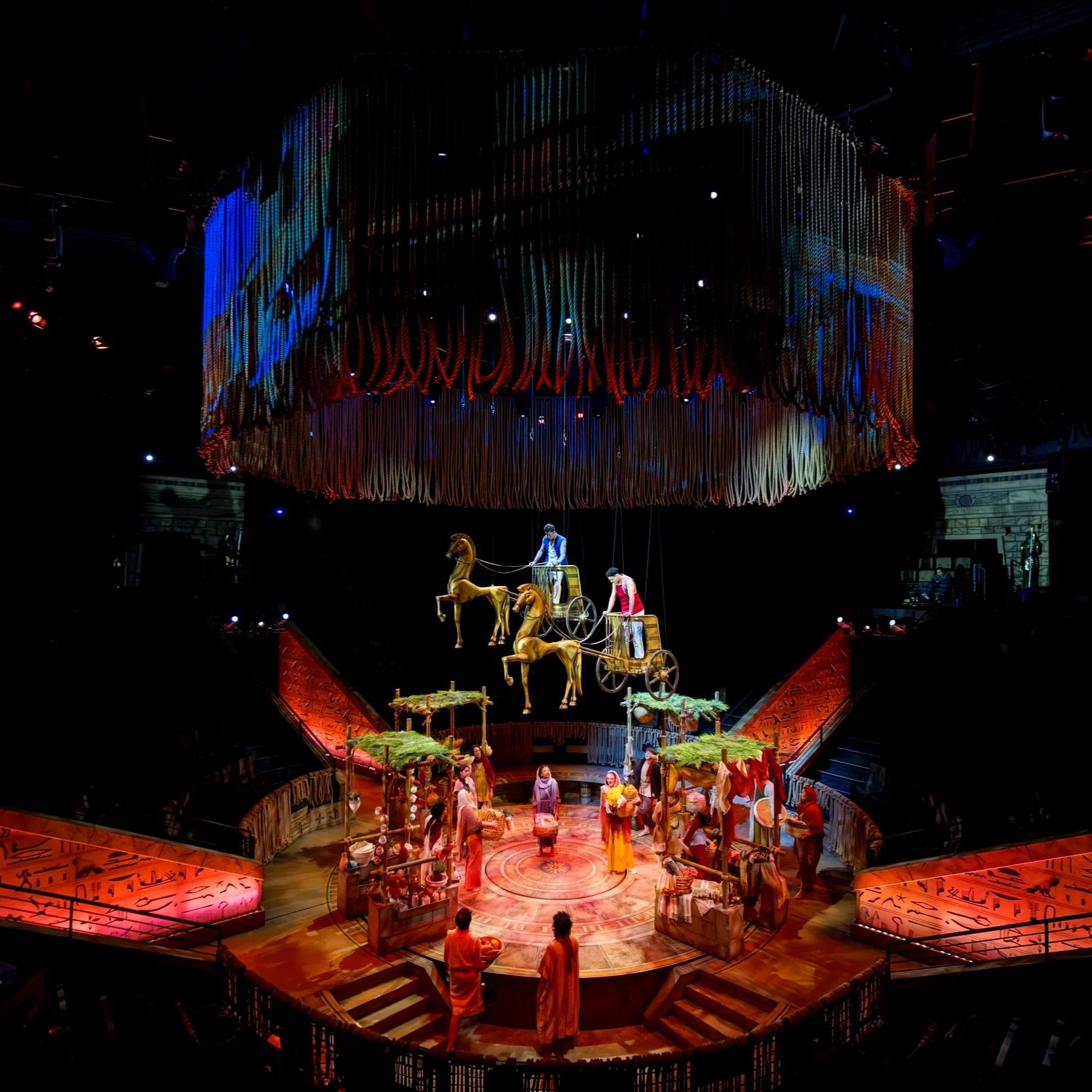
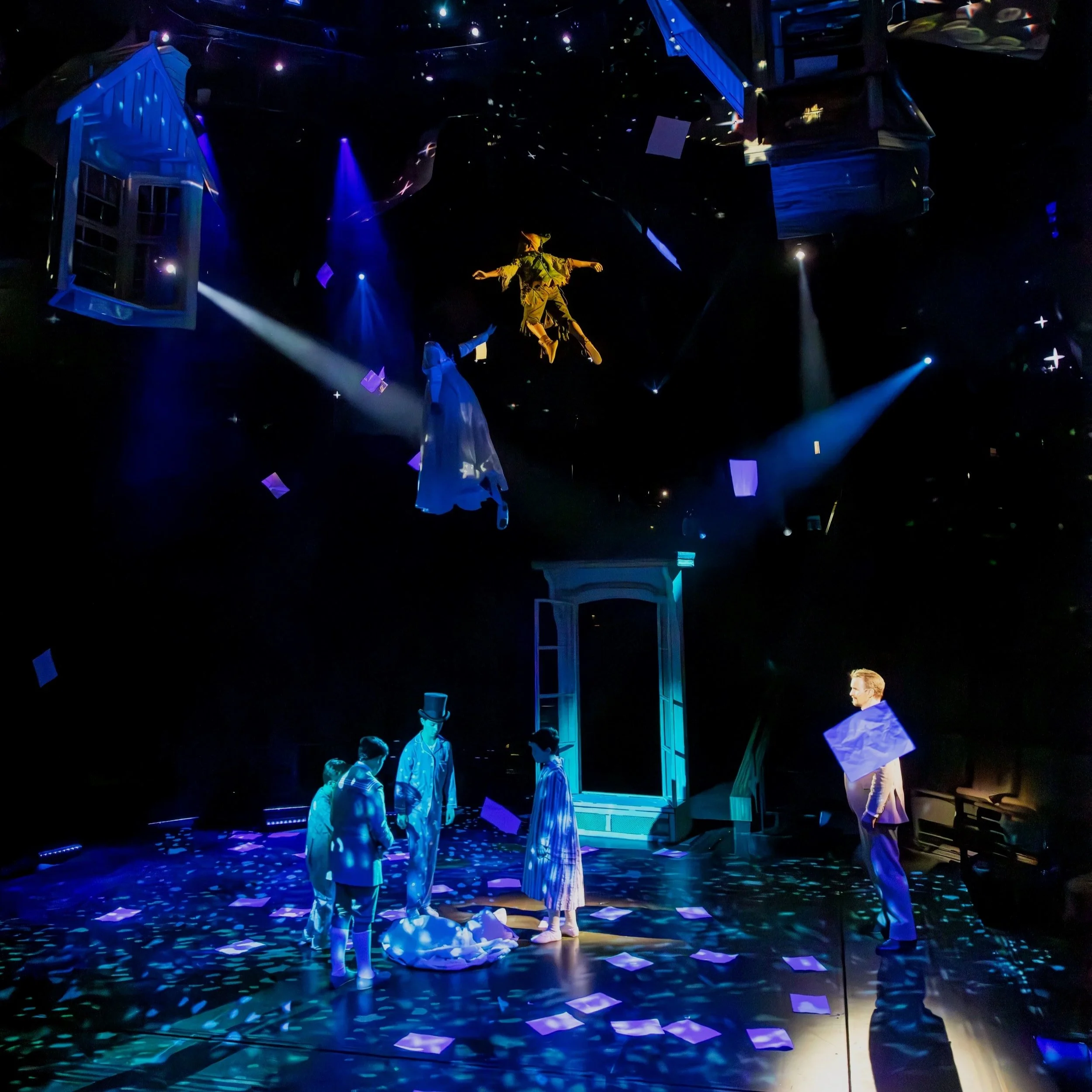
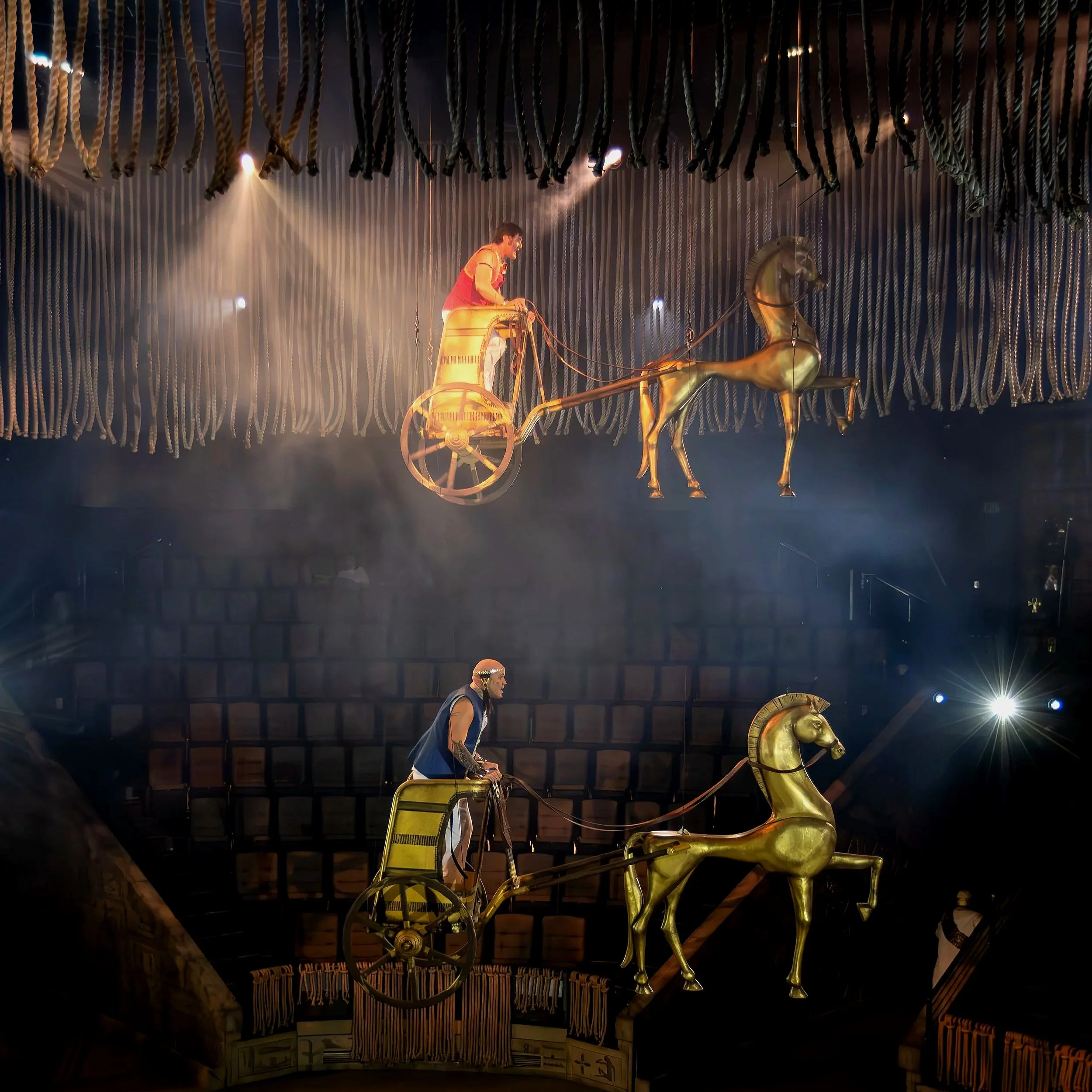
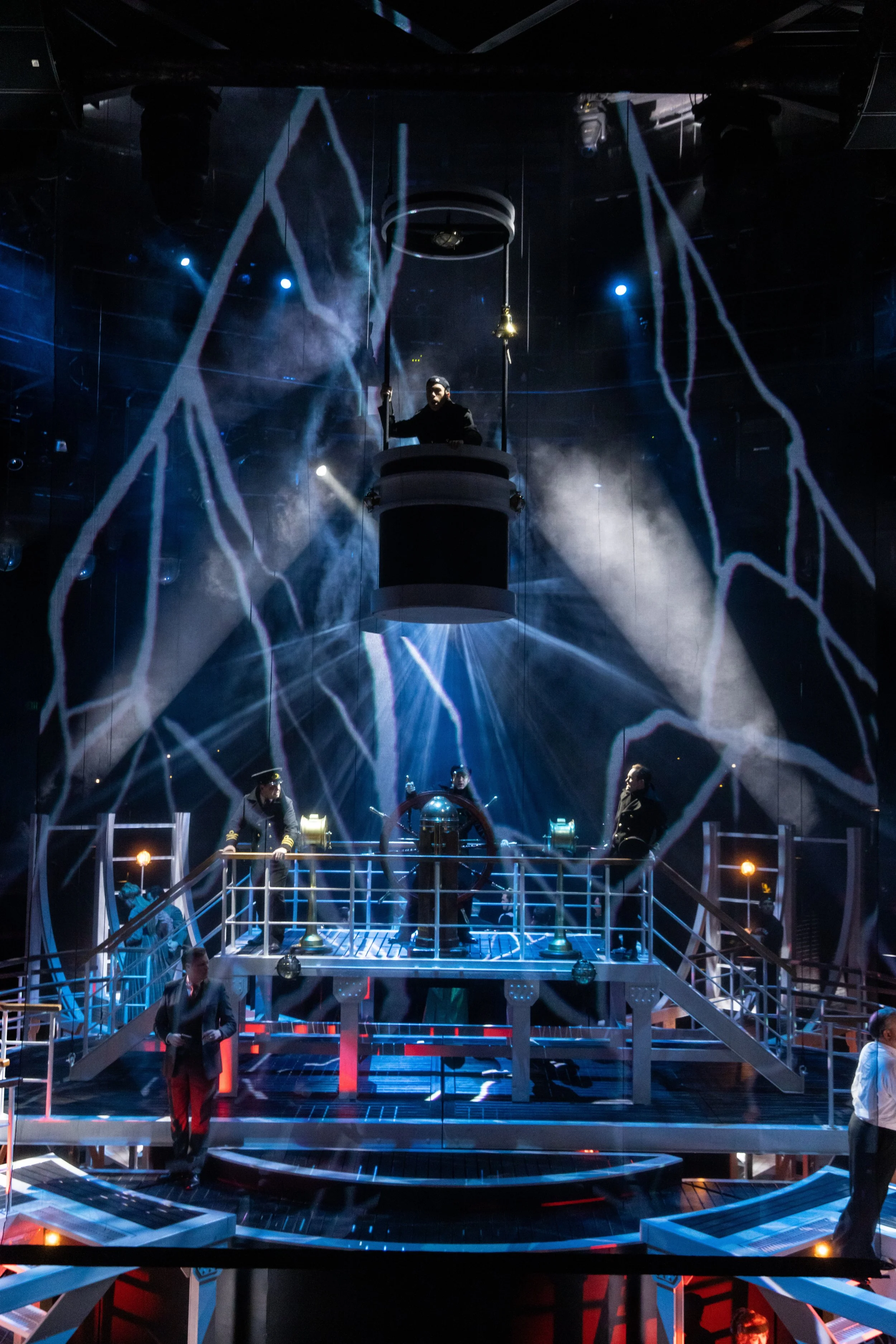
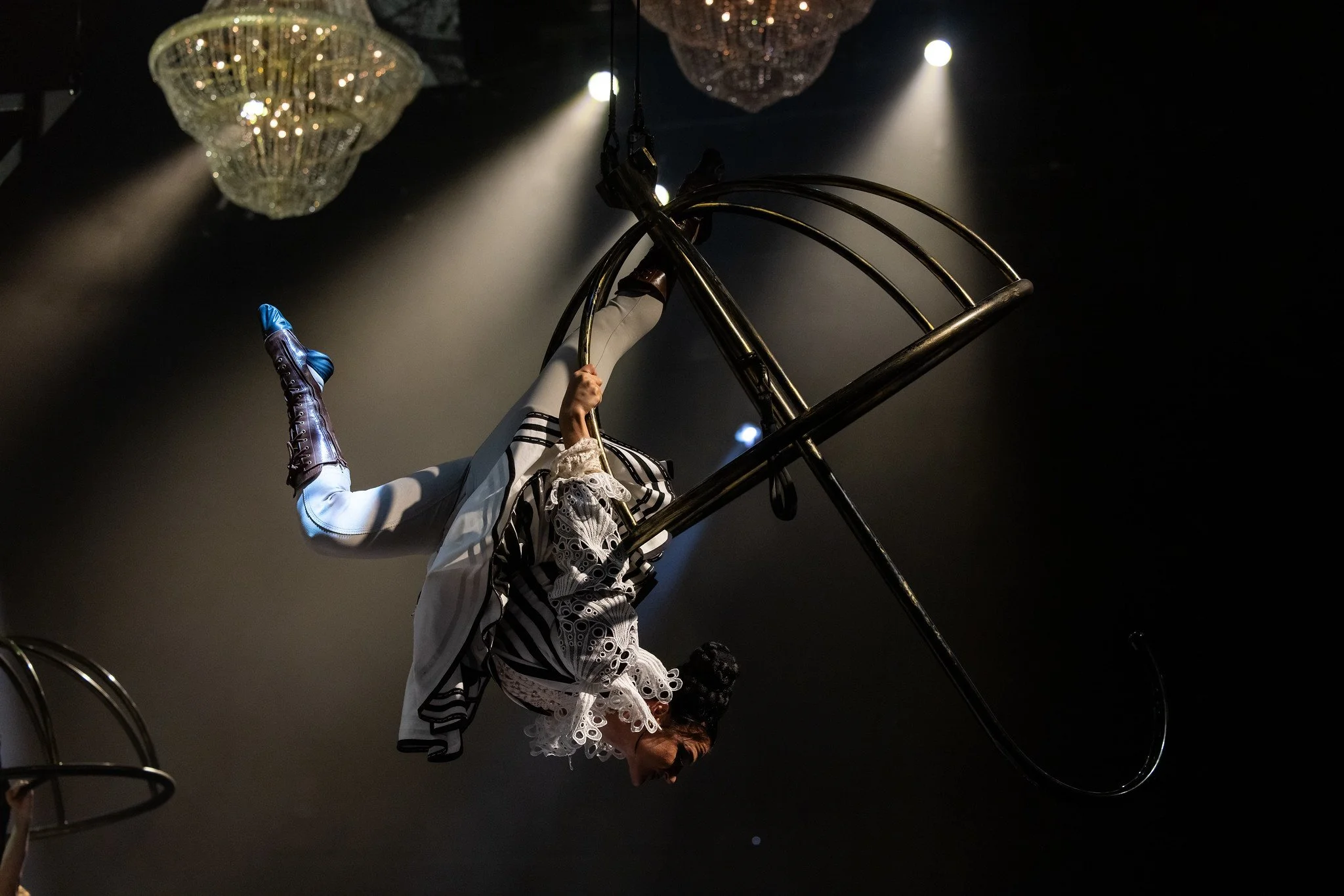
Looking back, it’s interesting to me to see how quickly something like this stops feeling new and just becomes part of the process. It’s built into how I design, how we rehearse, and how the show runs night to night. We don’t really think about it as a separate system anymore, it’s just part of how everything talks to each other.
What started as a solution has become infrastructure. And now every show we build gets to stand on top of it.
Check out the articles written by zactracks and ACT Lighting in the links below.
Photos By Jaron Kent Hermansen, Leavitt Wells, Hale Centre Theatre
Edited by Kurtis Blackburn
Disclaimer: The views and reflections shared in this post are my own and are based on my personal creative process. While I’m proud to be an employee of Hale Centre Theatre and a member of the incredible collaborative team behind this production, these thoughts do not represent the official views of the organization. I believe deeply in the power of collaboration, and I gratefully acknowledge the many artists, technicians, and storytellers whose work brought this show to life.